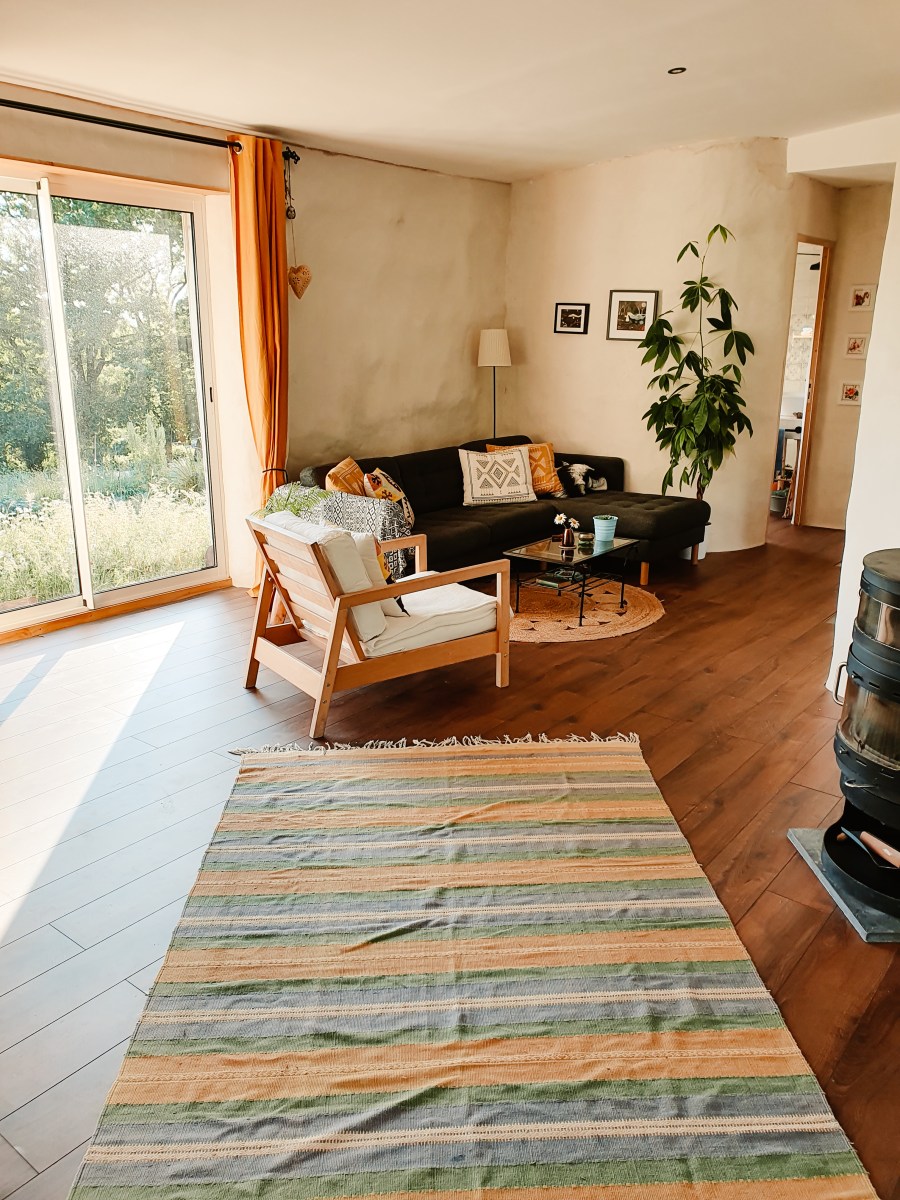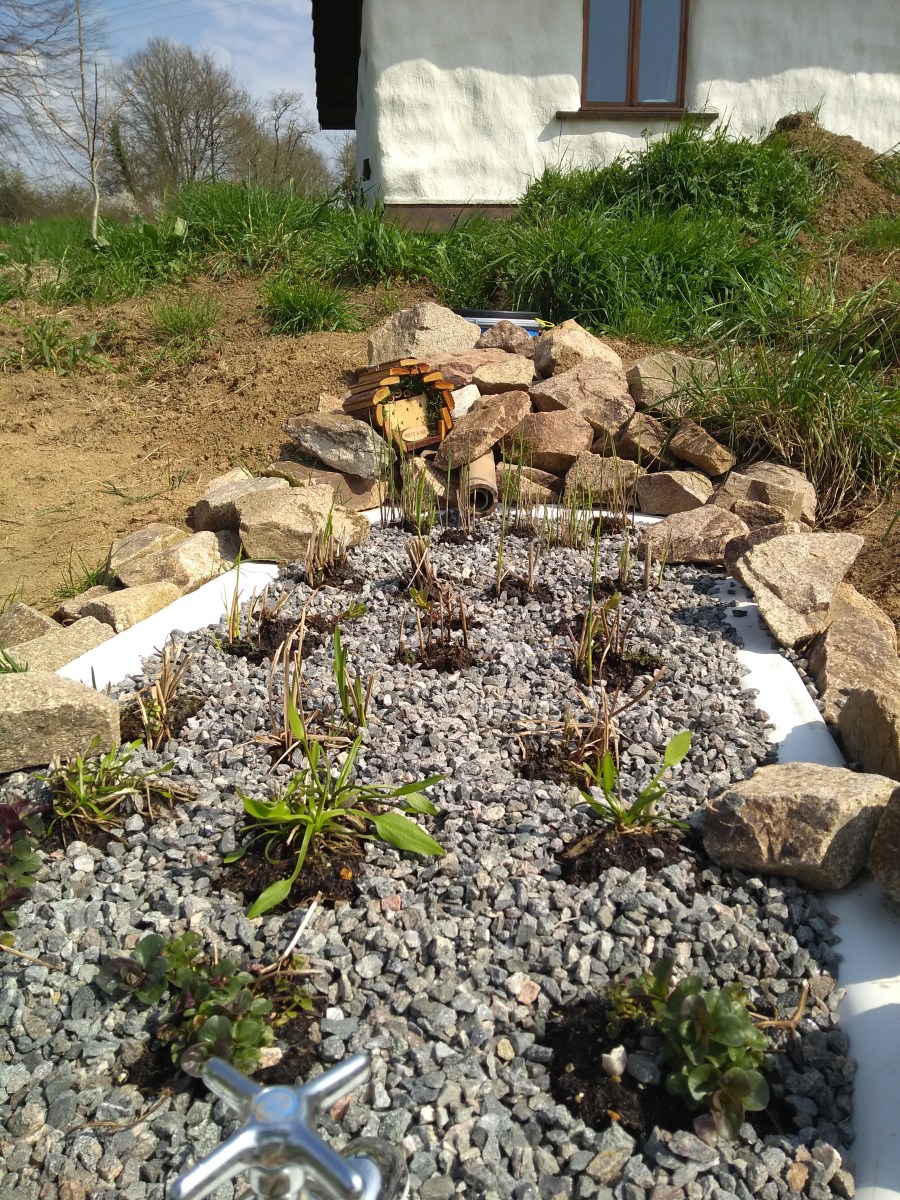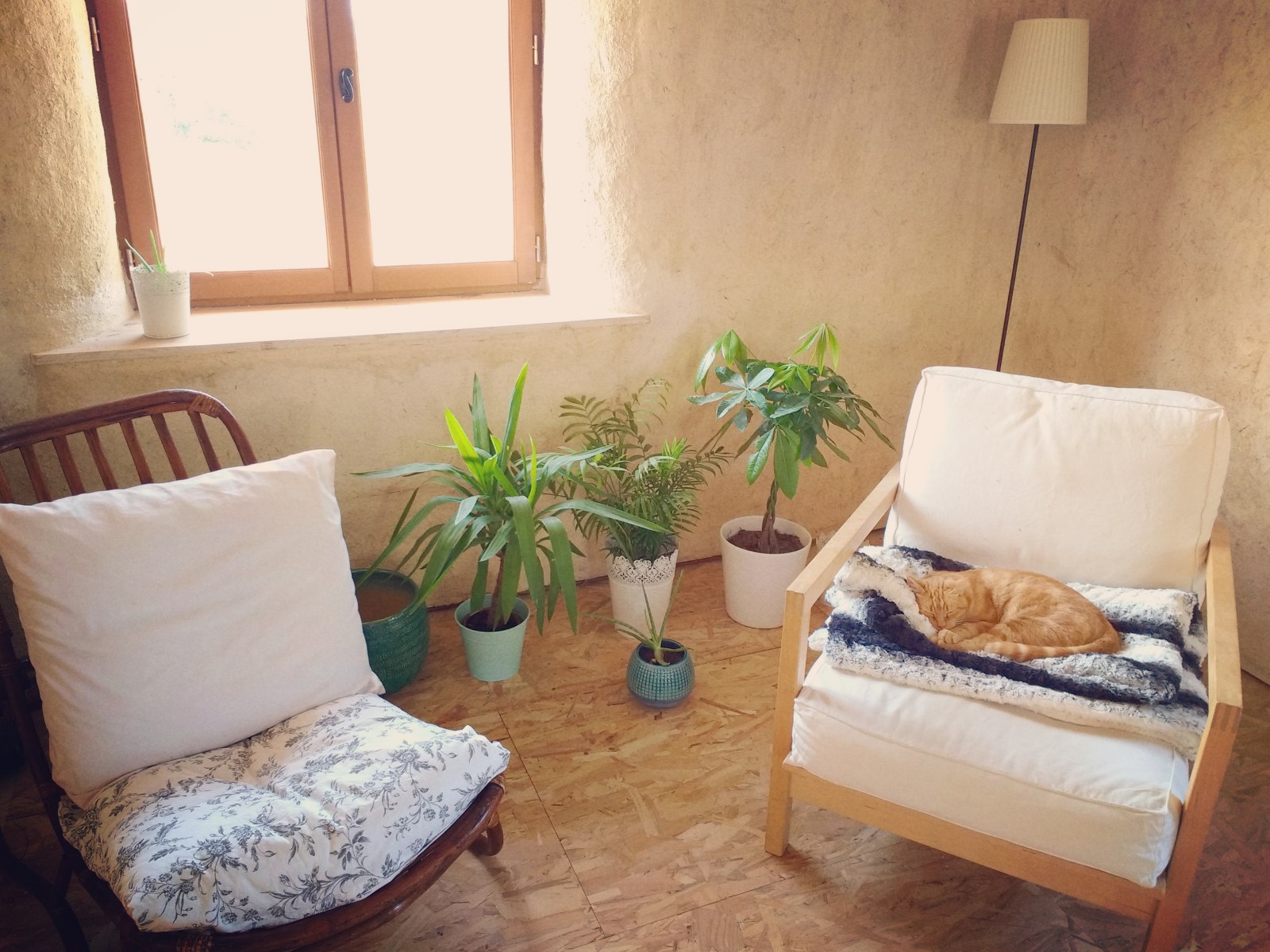
Short answer, yes! But for those wanting a little more nuance before rolling up their sleeves and dressing some bales, read on! Flee and I have been living in our little strawbale house now for about 8 years. When we moved in in 2018 it was little more than an empty, insulated shell and over the following few years the interior took shape along with the various systems we now co-exist with. With each passing year we feel increasingly confident opining about the day-to-day realities of living in such a house with its myriad quirks and idiosyncrasies.
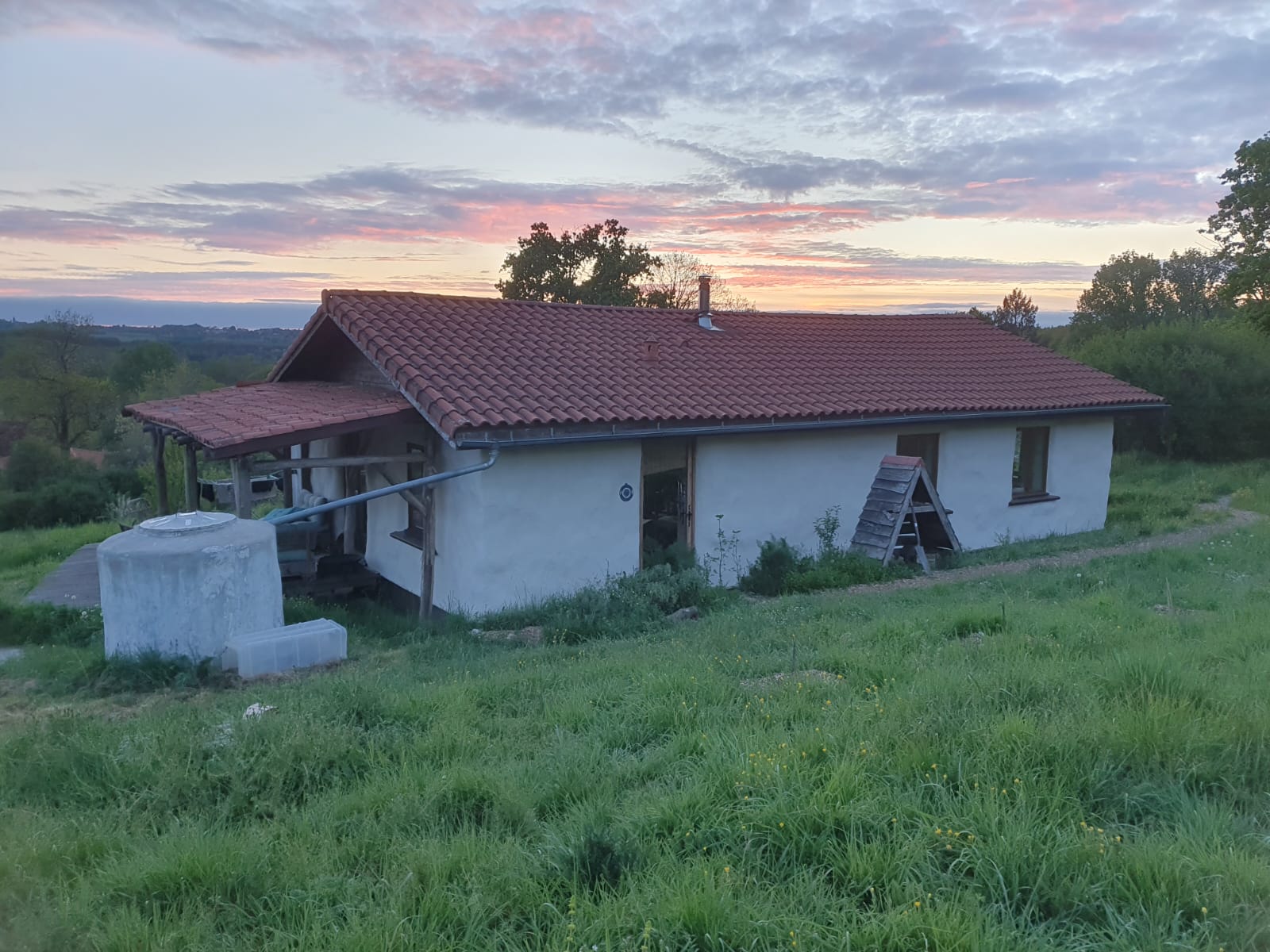
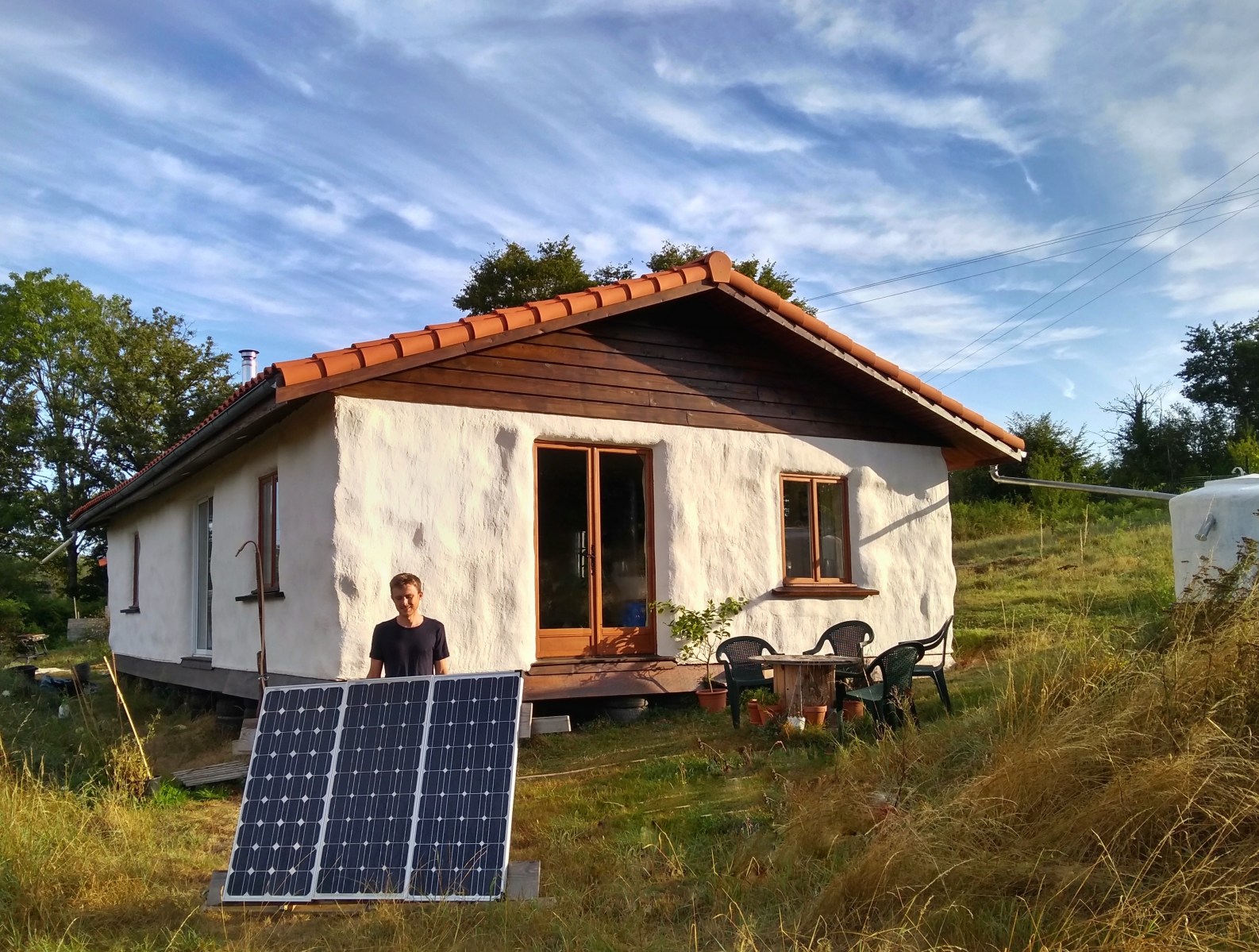
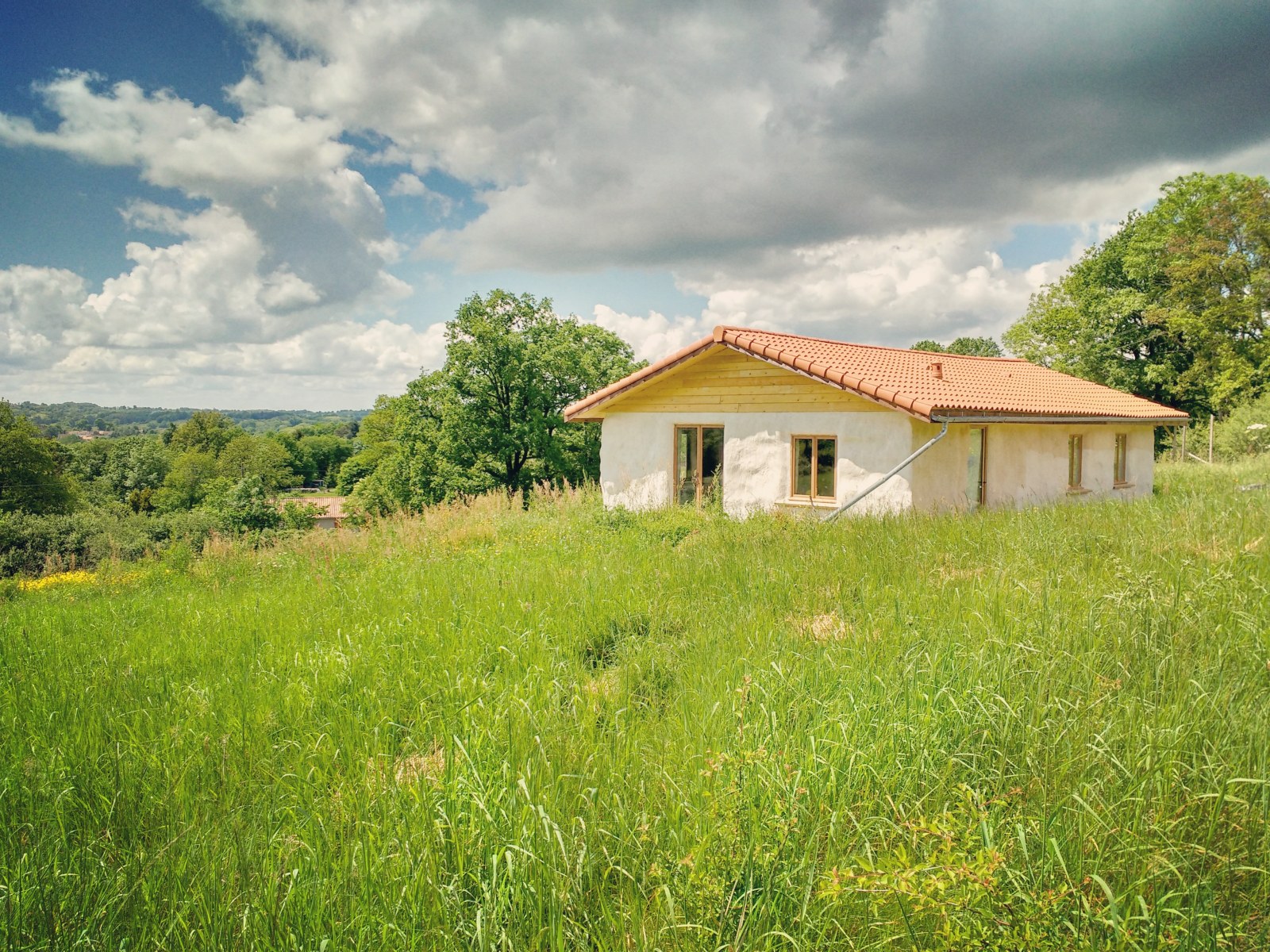
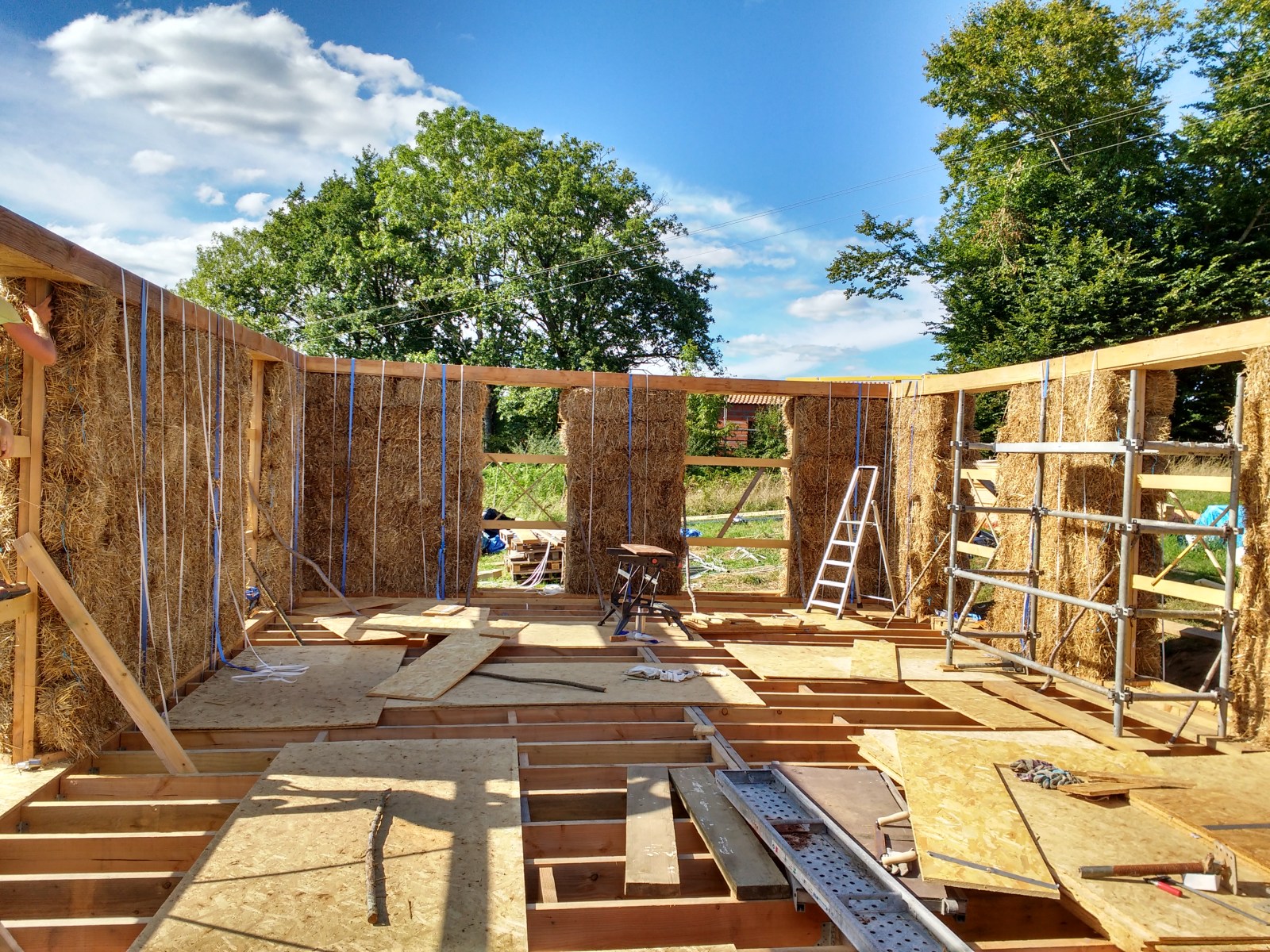
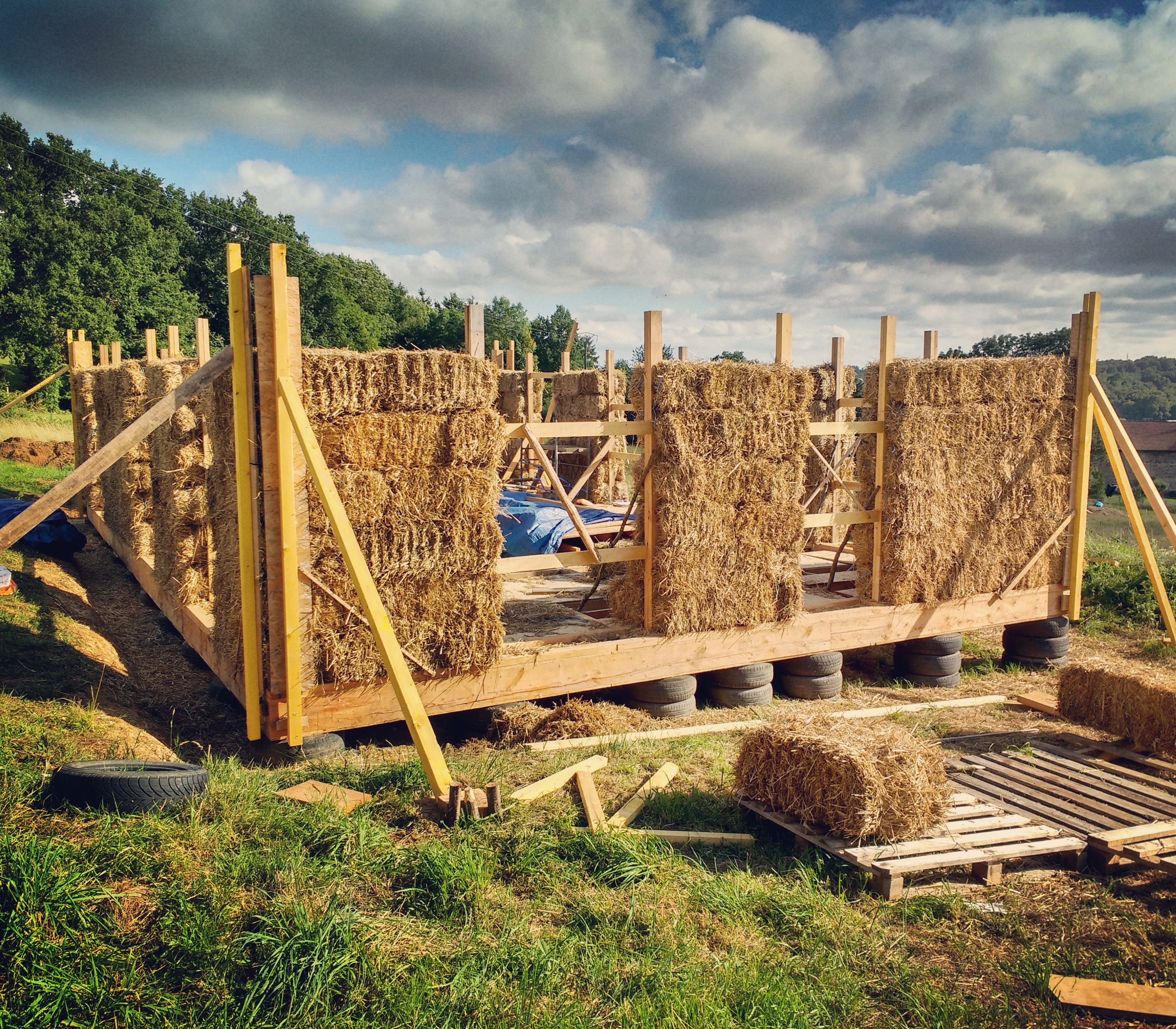
For those new to the blog, we live in a load-bearing strawbale house which we built ourselves along with friends. It sits on a foundation made of old tyres filled with gravel and has a conventional truss roof. The footprint is just under 70 metres squared and contains a large open-plan living area, 2 generous double bedrooms, a pantry, toilet and shower-room. We built ‘little strawbs’ with the help of Barbara Jones’s magnificent book and a few face-to-face consultations at ‘panic!’ moments! It still sits on our shelf, yellowing around the corners, various pages muddied but still readable, attesting to its indispensability on our building site all those years ago. The material cost was extremely low and labour cost nothing, we effectively paid ourselves (and continue to do so) by avoiding a mortgage and engineering out most bills.
In fact, the financial freedom such a design choice offered was one of the primary concerns, along with an at the time idealistic but increasingly obvious environmental imperative. Indeed, from this point of view, the project has been a huge success. We have owned our own house, out right, with no debt for almost 10 years. We also haven’t paid an electricity, water, or sanitation bill in all that time. The skills required for such a project are within reach to most level-headed people with the ability to apply themselves. We attended a 3-day course in Brighton which gave us the basics and we were off! The margin for error that bales allow for was a big plus, and indeed, we used it at times. Our house is well-thought out and lovingly built but not precise, the bales having a mind of their own at times! This hasn’t compromised the durability of the house though, which remains solid.
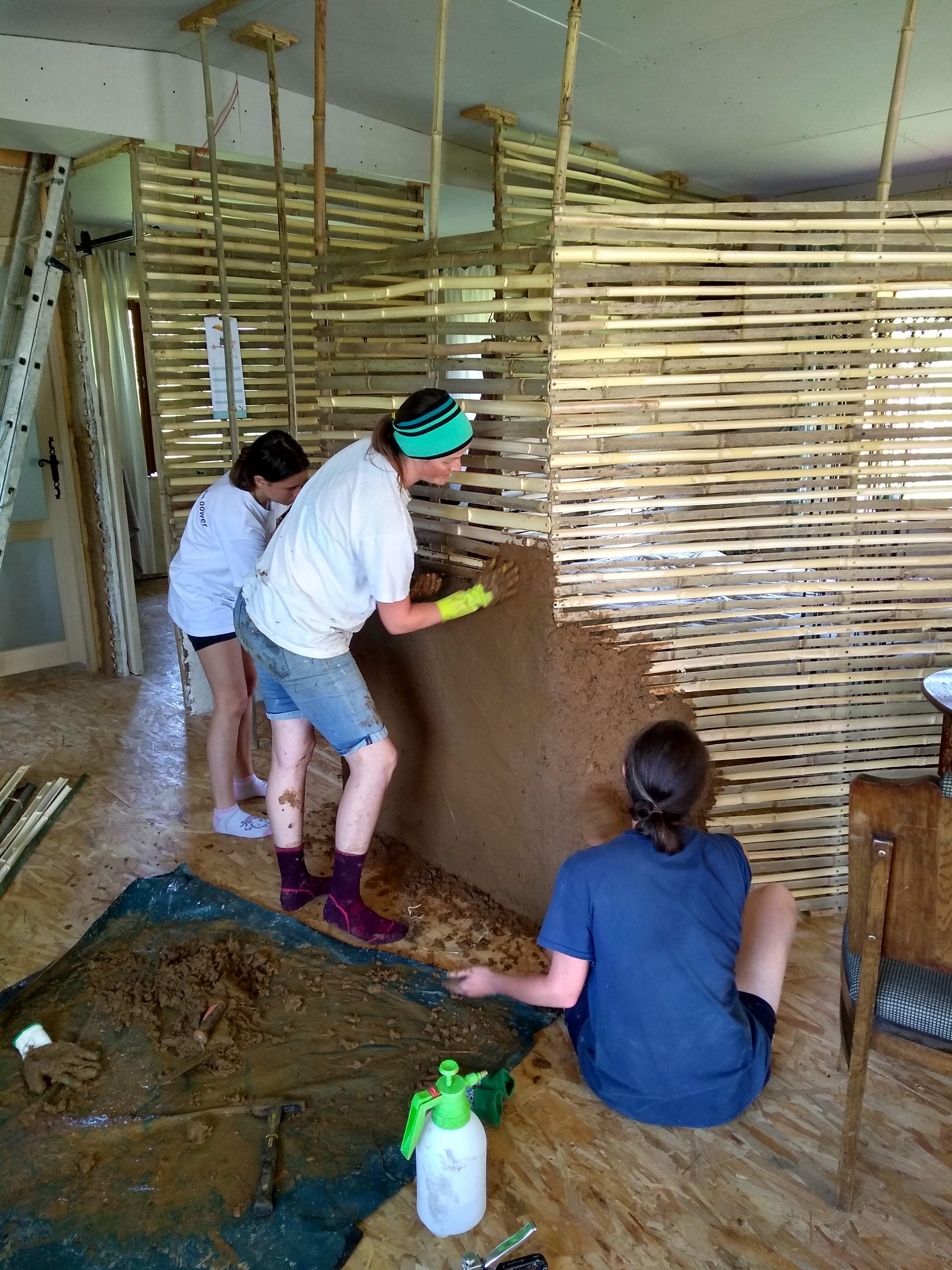
Maintenance of ‘little strawbs’ is something people often ask about. The main jobs are lime-washing, especially the more exposed areas, once every year and staining or oiling various external wooden elements such as doors, windows, cladding and sills. The interior systems such as solar electrics, compost, plumbing etc. require constant interaction and as such the maintenance has happened ad-hoc as and when we see a problem (over-heating wire, dripping brass plumbing joint for example) and are too numerous to list here. In general though, two points are worth noting. Firstly, the instances between incidents that require our intervention seem to be getting longer and secondly, the fact that we built it all ourselves means we do all the maintenance, saving a fortune in the process and keeping our problem-solving skills sharp.
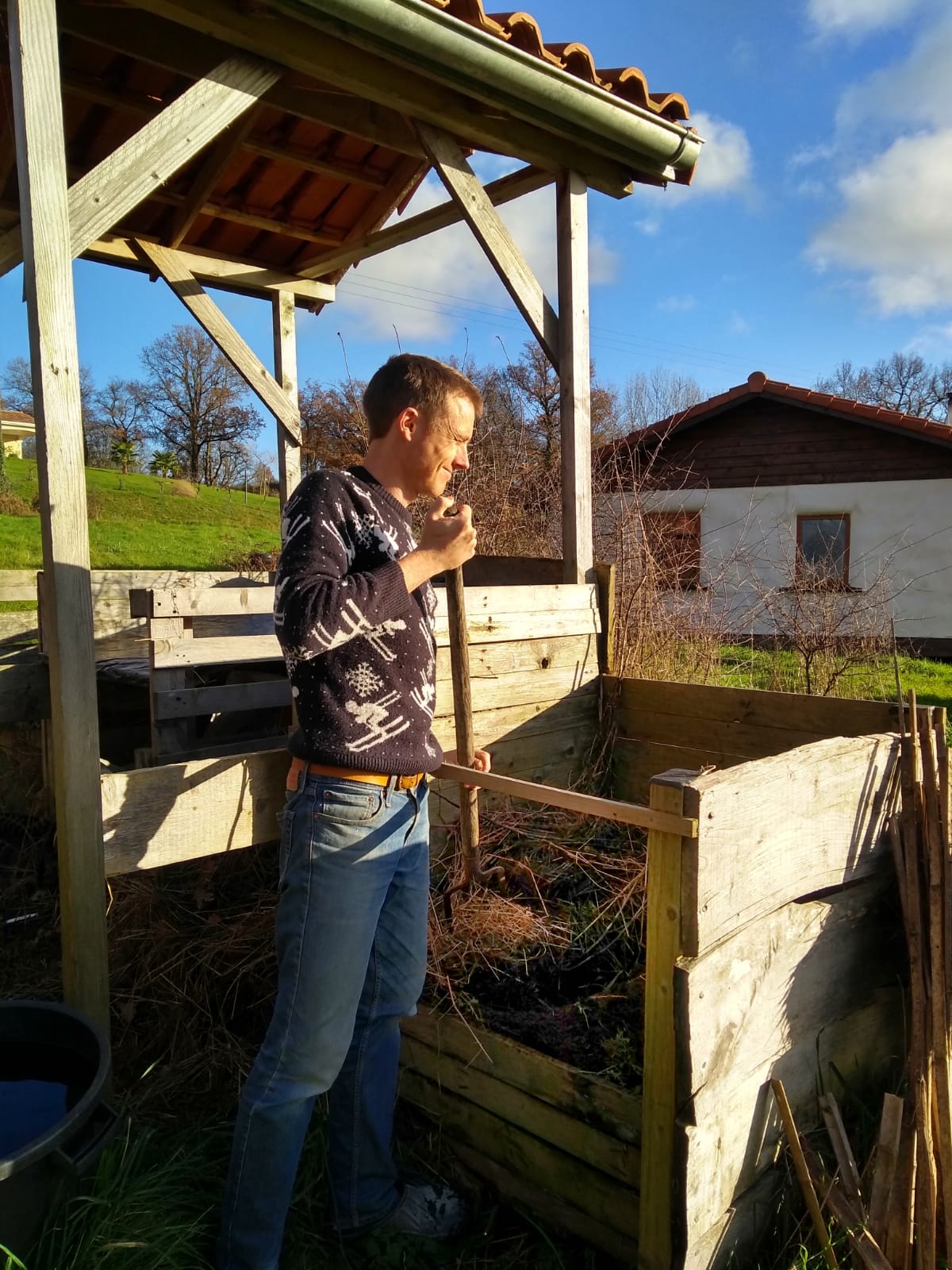
After the main build was complete there were 3 major interventions which required significant effort but were absolutely necessary for the long-term integrity of the house.
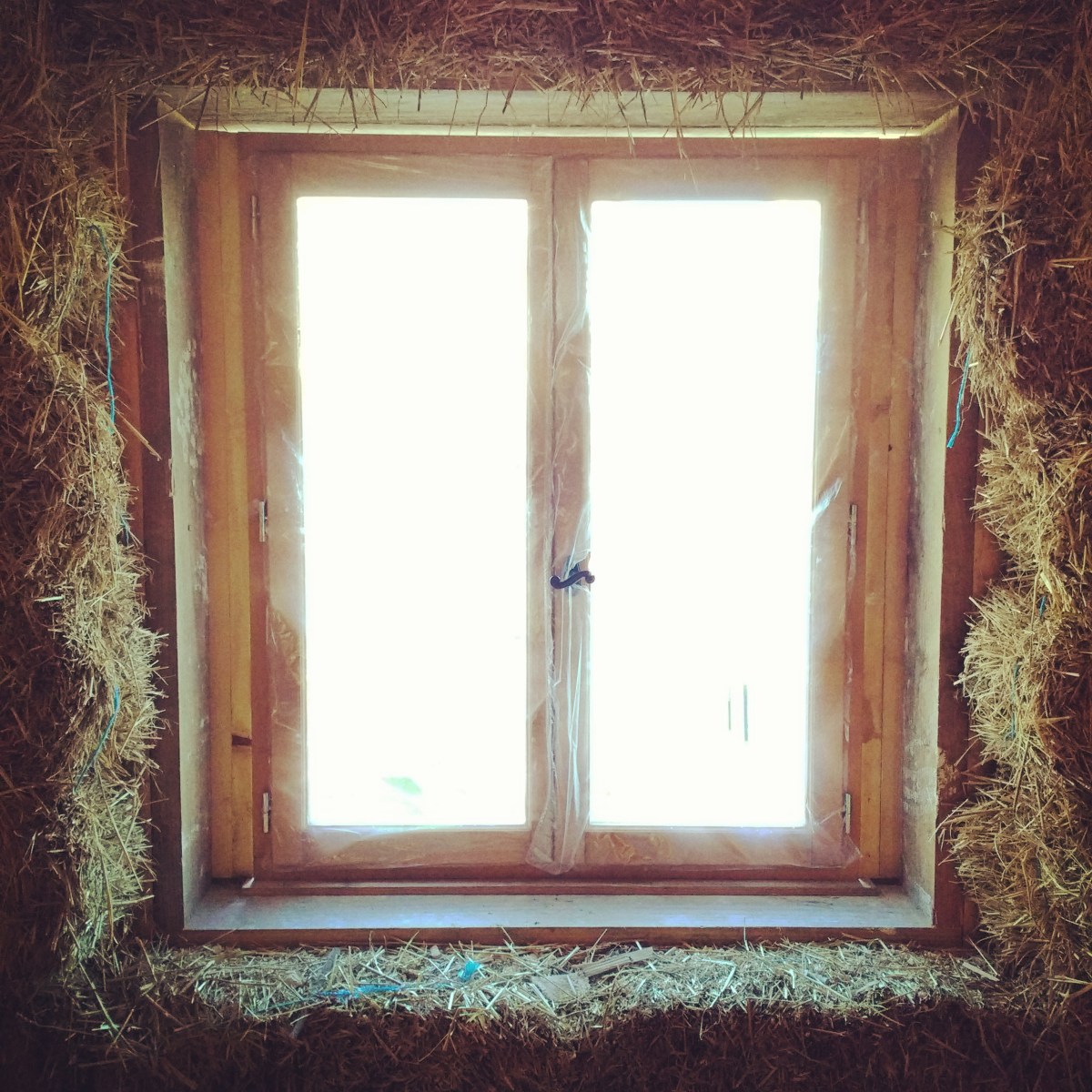
The first was our poor detailing of the two double-door sills both in terms of water-proofing and the load bearing on the door jambs (this second issue was only a problem with one door). We initially made sills using exotic hardwood decking boards in combination with roofing membrane. This proved inadequate as the damp patches at the corner of our doors made evident. We had to remove both doors and ask a friend, a welder, to make us two very precise, bespoke stainless steel sills which the entire door frame sits in. This has worked a treat. Additionally, due to excessive bale settling and subsequent weight bearing where it shouldn’t (on the door jambs), the OSB of the box beam started sagging under the weight as it wasn’t supposed to take any. This necessitated a rather arduous intervention of cutting into the box beam from underneath and adding extra noggins under the door jambs or as close as possible depending on access and the positions of the tyre pillars underneath.
The second one was an over-exposed exterior wall with too thin a lime plaster. After a few years we noticed cracks appearing in the front of the house. This side faces West and receives the bulk of the prevailing weather. As such the lime was overwhelmed, causing dampness in the bales and a compromise of the lime-to-straw key leading to cracks. This required a major intervention and our choices were to either strip and re-plaster the whole thing or clad it in wood. We went with the latter option, using the box beams and hazel stakes to fix uprights into the walls before adding the lathes and eventually the cladding. It was a shocking job and quite stressful to knock-off plaster and see the dampness below, but, as Barbara said ‘You’re only making it stronger’. The cladding has worked a treat. We occasionally lime wash it for aesthetic reasons and it generally looks in keeping despite being an after-thought.
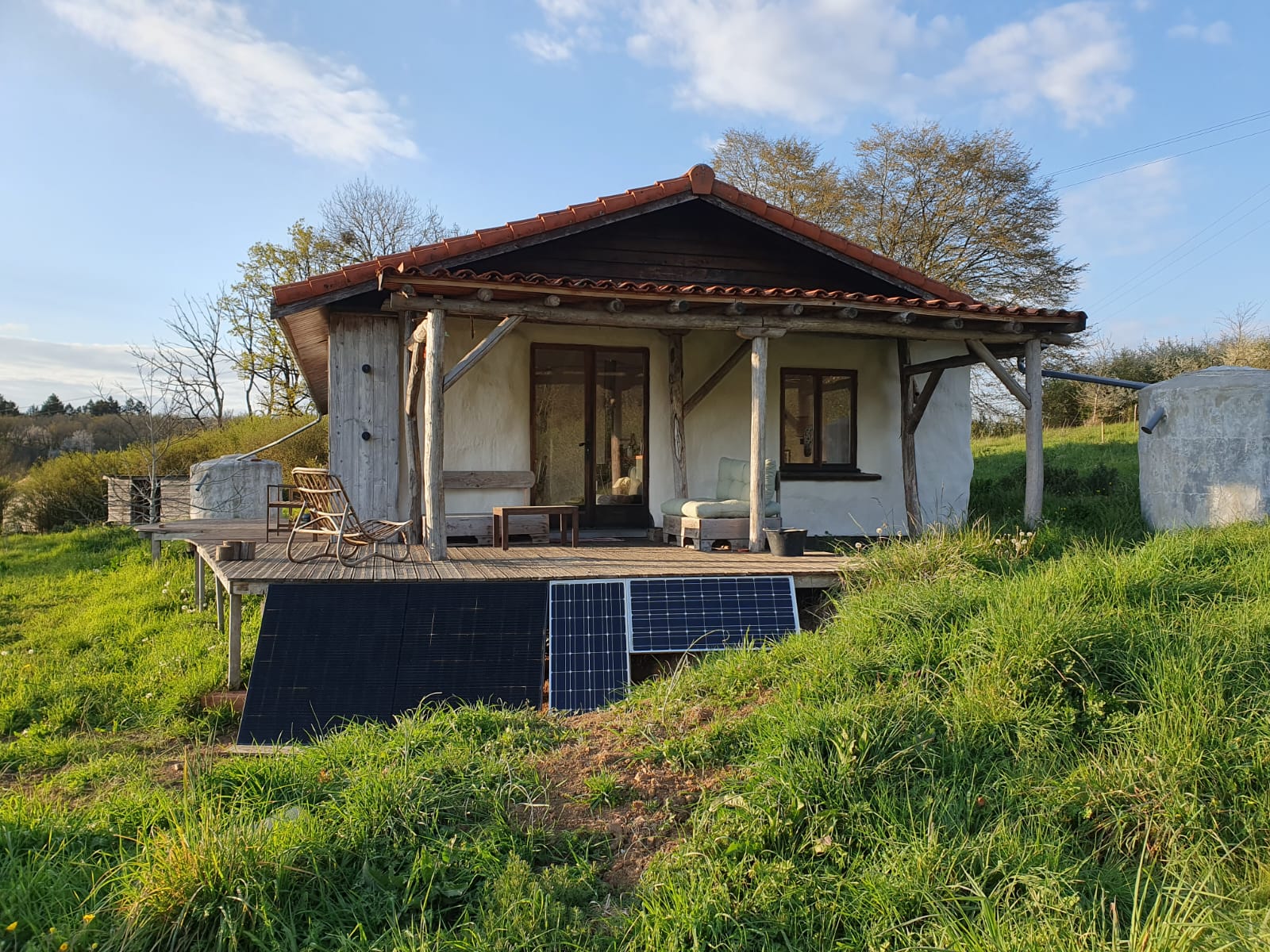
The third one was only recently completed, reflecting its low urgency. We added a 2.5 metre veranda the full length of the gable end. Whereas the clad side mentioned above was receiving, at a guess, 70% of the prevailing the weather, the remaining 30% is mostly received by the gable end. As such, we were concerned that the same issue of dampness and laminating plaster would eventually affect this wall too. Additionally, the veranda would provide invaluable shade for brutal summers, reducing the temperature of the house and giving us a usable outdoor space for sofas etc. It’s a round-wood frame made of chesnut logs and some old roman canal tiles from a friends’ house. We are delighted with this addition to the house which gives us so much, not least of which is the long-term integrity of the house. The one down side, which we haven’t felt yet, is the sunlight it will cut out in the winter, robbing us of free heat. But we figure 3 pros and one con made it a worthwhile addition!
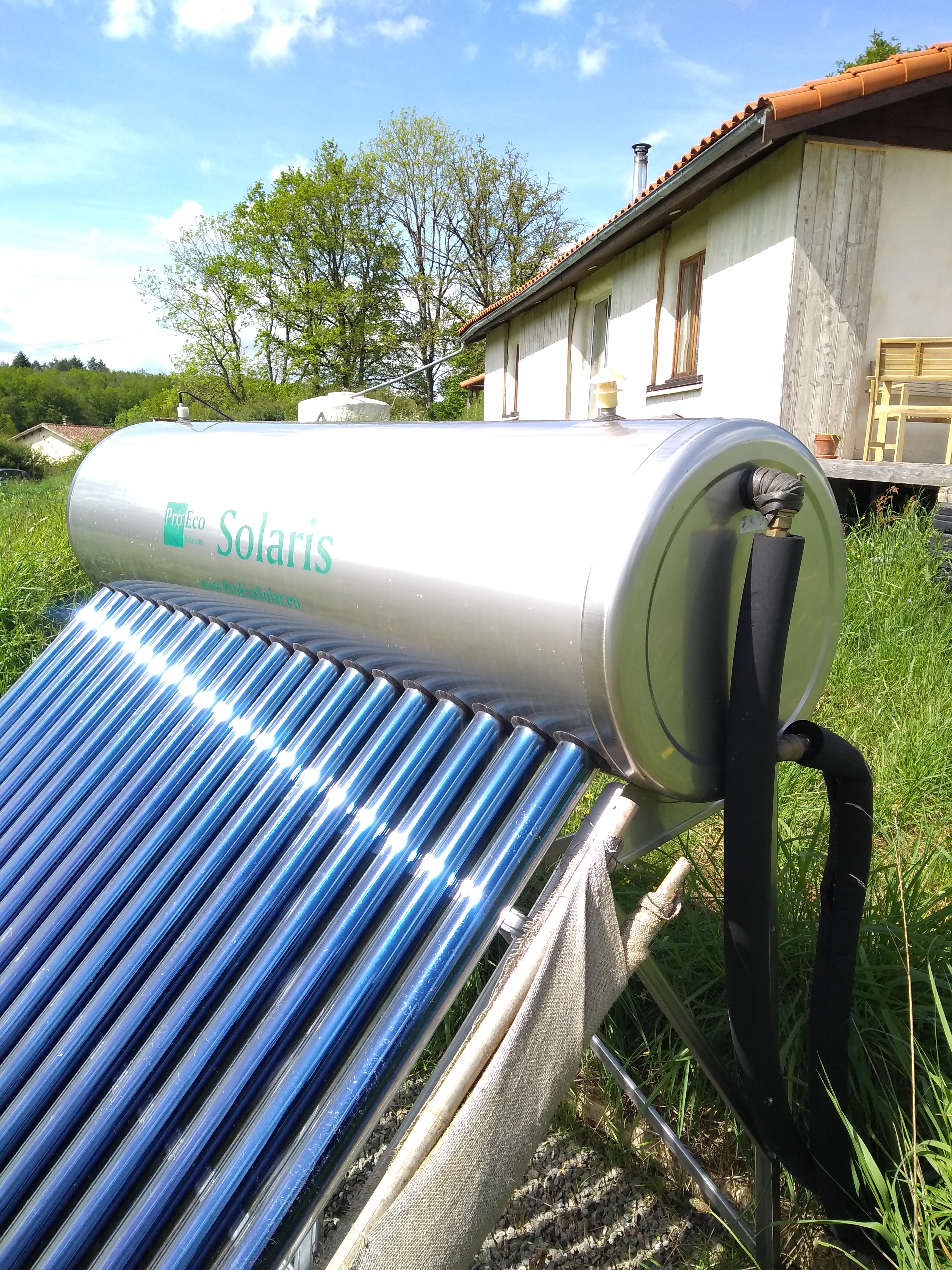
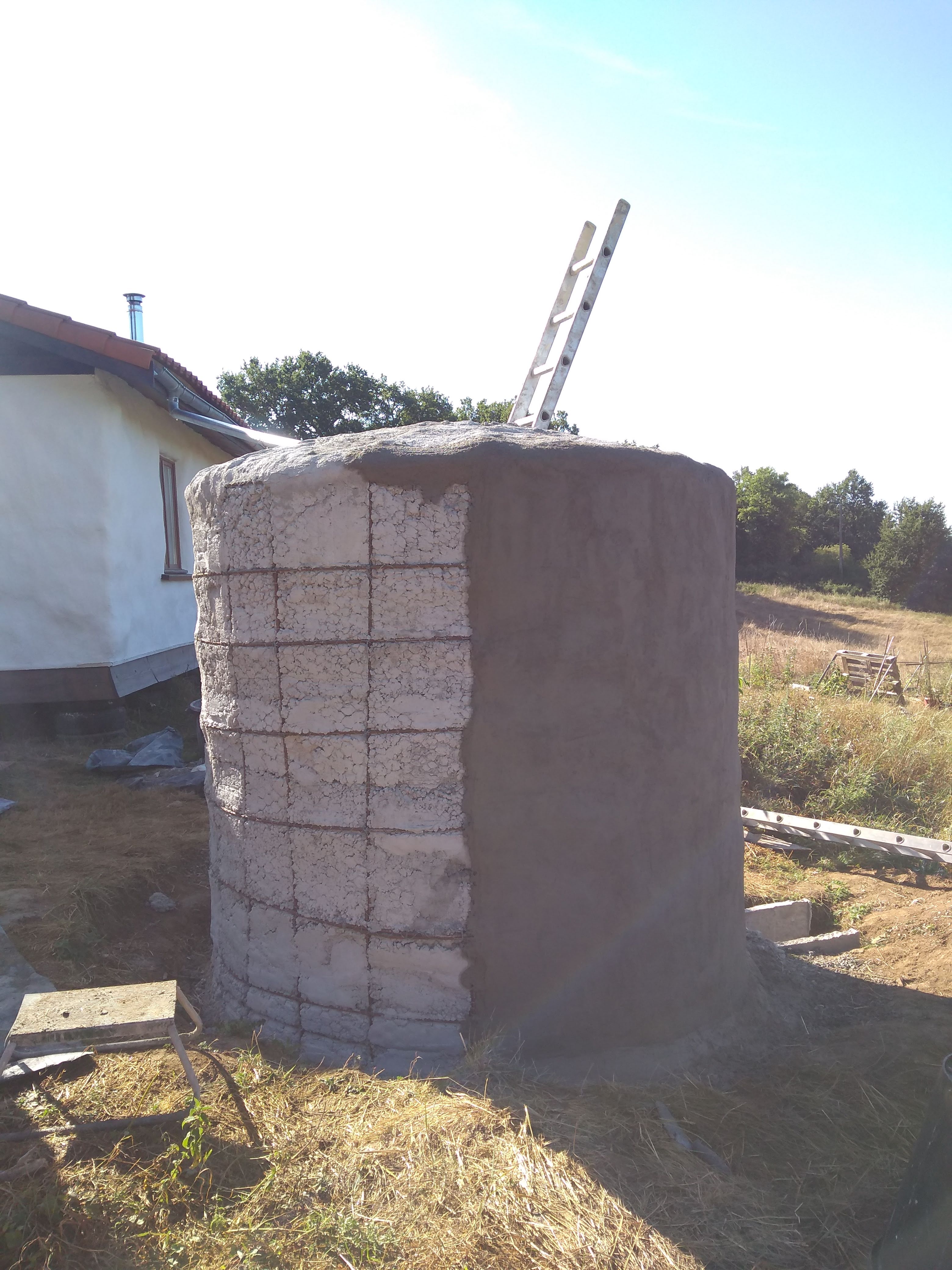
In terms of interior systems, the fact that so little has changed since their inception probably says enough. The only notable upgrade was a new battery added a couple of years ago which, on paper, will have outstanding longevity, a slightly beefier inverter and a 500w solar panel. This year has proved the most difficult in terms of water. Consecutive heatwaves, a dry late-spring and widespread drought all conspired against us last year. Despite this we did not run out of water before the Autumn rain arrived. The tanks were low, very low, and we had to be extremely careful, but the water we had remained clean, potable and cool. The brutality of last summer has prompted talk of a 3rd tank, which would likely be another 8000 litre one directly next to and level with ‘Frank’. This would eliminate any such worries concerning household water consumption and would likely cost around 800 euros and about 10 days to 2 weeks of dedicated labour.
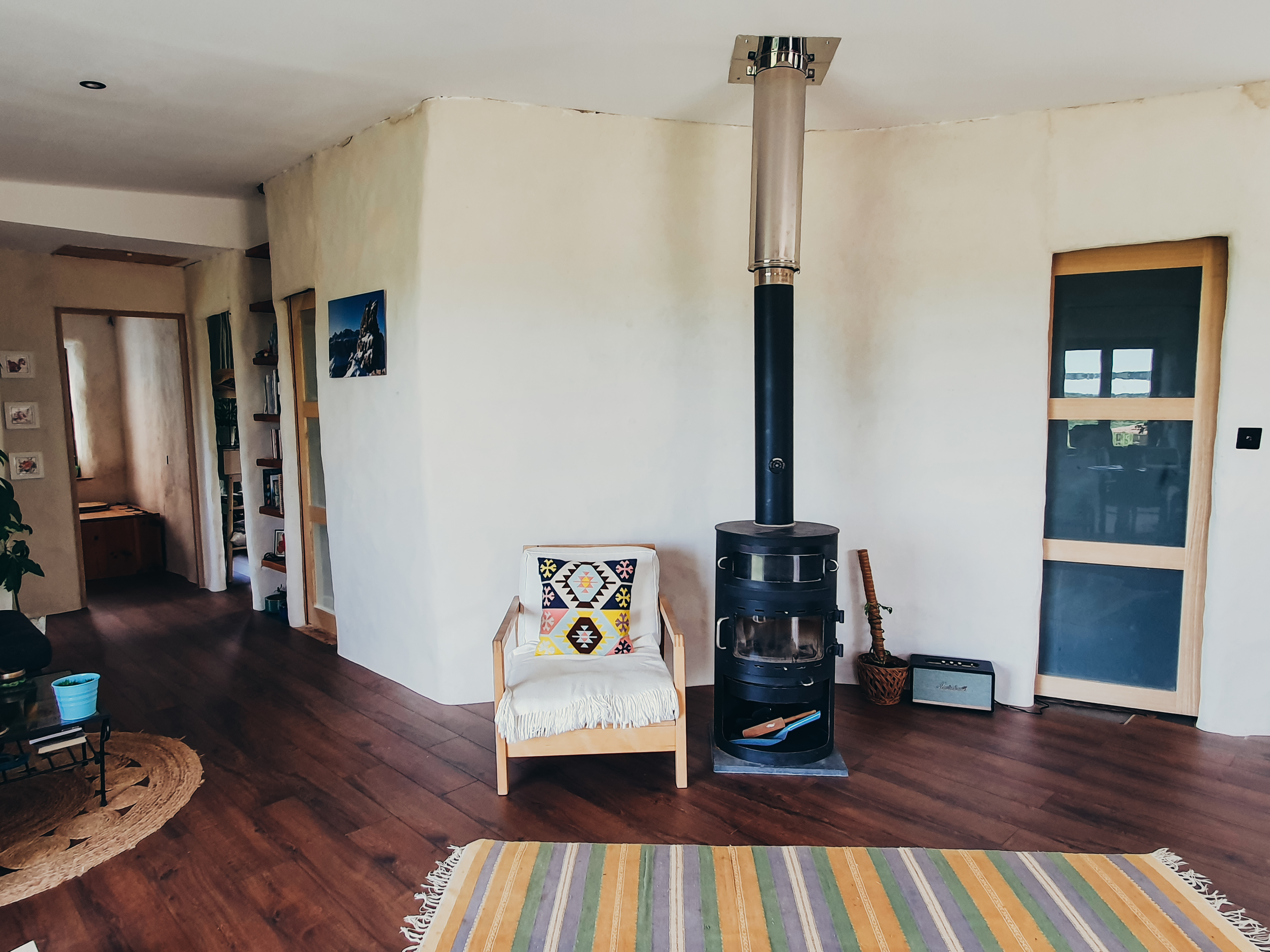
The insulating properties of straw are often spoken of and we can attest to their efficacy. In winter, our one fire, central to the house, provides ample heat, only getting through about 3-4 cubic metres of wood a year, which costs (this year at least) 360 euros (4 cubic metres of 25cm oak). In summer, the house also excels. As I write this the temperature outside is 40 degrees. We are in the middle of a heatwave, last night was above 20. So even in this worst-case scenario (hot night, no dew, hot day), we manage to cool the house in the morning sufficiently to remain pleasant all day. Put it this way, it ain’t aircon, but were not sweating buckets either, which, given that it’s completely passive, is incredible.
From a broader perspective, as we see environmental calamities multiplying and eminent scientists such as James Hansen predicting 3 degrees warming by 2050, our tiny, but mindful choice to nudge the needle in the other direction feels profoundly fulfilling and on the right side of history. Our house consumes about 4% of the power of a conventional house, this is just direct consumption and ignores the fact that not only do we not power a coffee maker, for example, we also don’t need to buy/replace the coffee making machine and countless other gadgets forever more. In general, we have shown that a drastic drop in household consumption does not mean living in poverty.
In fact, this is a good juncture at which to make the distinction between poverty and sobriety. By choosing the latter we empower ourselves and make mindful choices regarding what to retain and what to let go of, in advance of such changes being thrust upon us, and make no mistake, they will be. Our modern way of life is in the process of crumbling around us, but the vast majority of humans will not, and indeed cannot, change prior to it becoming necessary. We hope our project and others like it can become rafts of knowledge for adaptation in coming years.
Again, stepping back a little more, the cognitive bandwidth that is freed up by not engaging in the most insidious aspects of our debt-based culture (mortgages, excessive consumption etc.) has allowed a spiritual aspect to come to the fore in our lives. We spend an hour or two every morning performing Sadhana, which makes observing the madness around us much more bearable. We are also able to practice what is known as ‘right livelihood’. We are both English teachers and Felicity teaches all aspects of yoga and I offer Thai Massage. Of course, we make money, but we don’t have to make much, and it goes a long way. This affords us the luxury of doing work which benefits the world.
Coming back a little closer to home, I should mention the downsides. Firstly, the location we chose, a small village in rural France, has left us a little isolated. We have a small circle of friends whom we cherish, but we definitely lack a solid community-feel. I am well aware this is lacking almost everywhere so may have as much to do with the fact we live in a strawbale house as it does with our choice of location. Having said that, living such a life can be isolating in terms of your mental outlook. You will likely be swimming upstream, at least for now, which can be tiring. It is crucial you develop a sense of worth regarding your project independent of the wider world. I feel we are a holding space for skills and attitudes that’ll be relevant in the near future, you will be ahead of the curve.
Another point worth mentioning is the value of the house. Now, we haven’t had our house valued but it’s so niche that selling it would be very tricky unless the exact right buyer came along. It’s just too ‘out there’ for 99% of people. Bear this in mind! The pay off is more about the process, the skills and the sense of agency you get everyday with such a project.
I hope this has given you a sense of the project in its entirety. If you are thinking of building a strawbale house yourself and would like more details, just get in touch! We love sharing our experience with those who care!